March DCSC: Caring For Oneself While Caring For Others.
Here's the recap, resources, and research spotlights .
Last time, at the club - thank you, Susanne!
It is hard to believe that this month marked our fourth Dementia Care Social Club education evening! What started as an idea for a relaxed, welcoming space where education meets social connection is already becoming something really special. Each month, we come together for open and honest conversations, shared experiences, expert guidance, and the simple joy of being with others who get it.
In March, we were so lucky to be joined by Associate Professor Susanne Röhr from the Centre for Healthy Brain Ageing (CHeBA), UNSW, who gave a thoughtful and grounding talk on Caring for oneself while caring for others: a life course perspective on brain health risks and protection.
Importantly, the talk moved beyond the idea that brain health is simply a matter of personal responsibility. Susanne spoke about many factors that enable or constrain healthy living, like financial security, access to respite, flexible work hours, and peer support. It was such a powerful reminder that meaningful change does not sit only with individuals, but also with the systems around them.
Susanne’s key insights & takeaways:
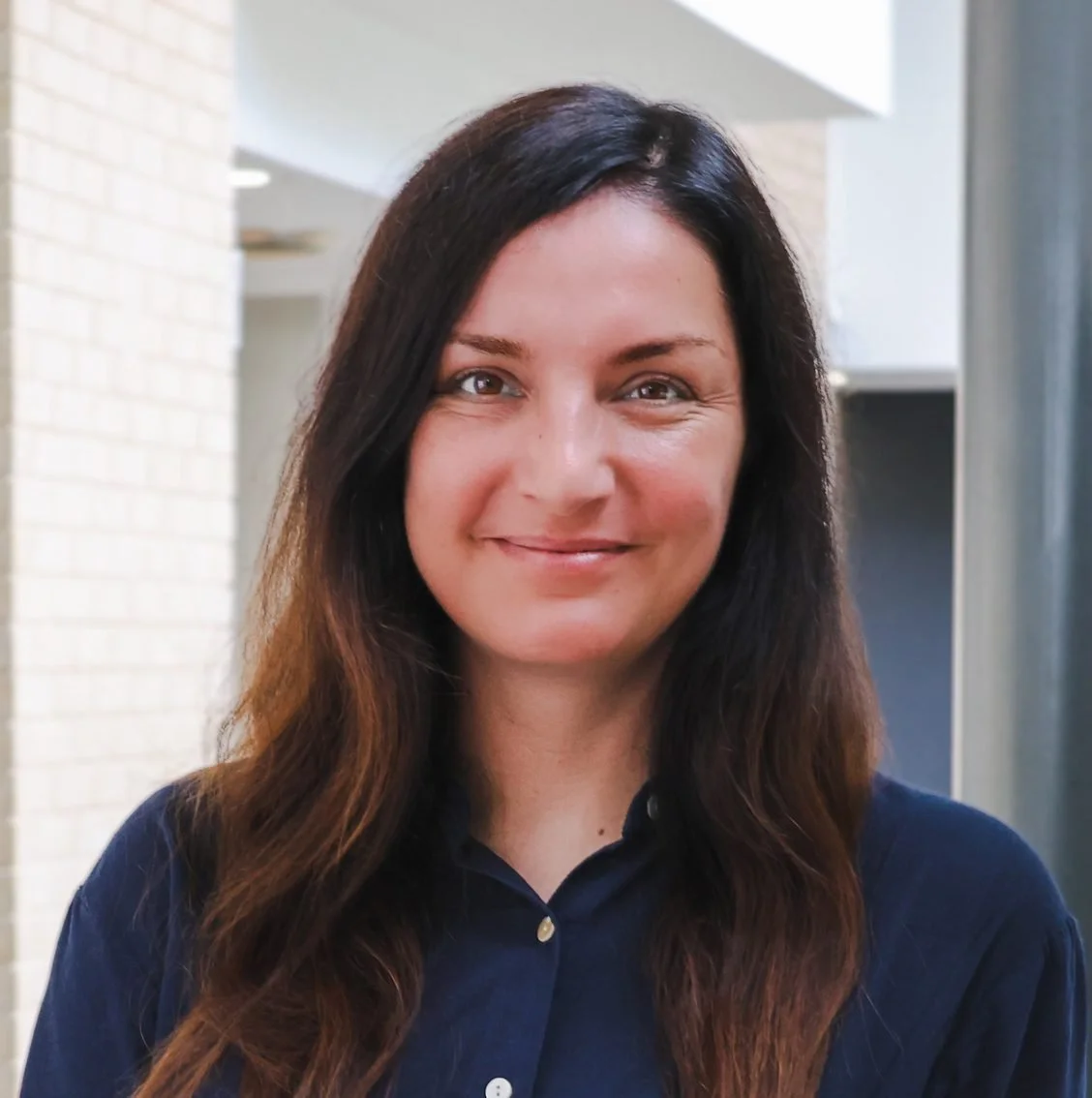
SPEAKER SPOTLIGHT:
Associate Professor Susanne Roehr
Brain health is a lifelong trajectory, shaped by what we do, where we live, and the conditions we're born into.
Caregiving carries both risk and protection for brain health. Chronic stress, sleep disruption, and social isolation are real risks. So are purpose, deep connection, and cognitive engagement.
Small, consistent actions matter. The brain is resilient, but it deserves steady care.
Imperfect self-care during demanding periods is normal, not a failure.
Meaningful change sits not just in individual behaviour, but in systems, support, and recognition of carers.
Several fab studies looking for participants
Does caring for a loved one change views on ageing?
Katya and collaborators at Curtin and Surrey Universities are in the final push of a national survey exploring how carers of people living with dementia see ageing, how this shapes views of their own future selves, and what helps or hinders access to care and planning ahead for your own future.
The survey is open to carers of all ages (current or former)!
Take the survey here!
Younger Onset Dementia Survey
What happens after a diagnosis of YOD?:
How easy is it to access the care and support people need?
What gets in the way of planning for the future & what helps?
Take part:
People living with young onset dementia; Family members and carers; Support workers and service providers
What’s involved:
30 min online survey here
Why this matters:
Your experience can help improve services, policy, and support for others navigating young onset dementia
All of this happened in the way we love best: with good food, a drink in hand, and genuine conversation. That is what Dementia Care Social Club is all about. Bringing dementia into everyday community life, not hidden away, and creating a place where people feel welcomed, informed, and connected – which we know is great for our brains and wellbeing!
We'd love to hear what topics matter most to you. Guest speaker ideas? Themes you want us to explore? Ways we could do things better? Please email us anytime — we're genuinely keen to shape this into exactly what our community needs.
Details for our next gathering will be in your inbox and on our Upcoming Events page soon!
See you at the next one,
Katya & Monique
Dementia Care Social Club
